Garden Drainage in Sutton: Practical Solutions for Wet Lawns, Waterlogging and Better Outdoor Spaces
If you are dealing with a soggy lawn, standing water on paths, or a garden that never quite dries out after rain, you are not alone. Garden drainage in Sutton is a common need for homeowners, landlords, and businesses across the area, especially where clay-heavy soil, sloping plots, older properties, and limited runoff all combine to create persistent damp problems. A well-planned drainage system can make a noticeable difference to how your outdoor space looks, feels, and functions throughout the year.
For local customers, drainage is rarely just about comfort. Poor water movement can damage planting areas, create slippery surfaces, weaken patios, and make lawns unusable for long stretches. In some cases, it can also affect the base of sheds, outbuildings, and boundary walls. That is why a local, site-specific approach matters. Every garden is different, and the right solution depends on how water enters the space, where it collects, and how quickly it can be moved away.
This page explains the most common drainage options, what a professional service typically includes, how the process works, and what Sutton residents should think about before arranging work. Whether you own a compact rear garden, a larger family plot, a rental property, or a commercial outdoor area, the goal is the same: to create a drier, more usable space that performs properly in wet weather.
Why drainage problems happen so often in Sutton

Many gardens in Sutton experience drainage issues because the local environment presents a few familiar challenges. Some areas have heavier soil that holds water for longer, especially after prolonged rainfall. Other properties are affected by older landscaping that was never designed for modern levels of use, or by paved surfaces that direct water into the garden rather than away from it. In built-up streets, runoff from neighbouring plots, garages, and driveways can also add to the problem.
Another factor is the range of property types across Sutton and nearby places such as Cheam, Carshalton, Wallington, Worcester Park, Belmont, Rose Hill, and Banstead. Detached homes may have deeper lawns and more planted borders, while terraced houses often have narrow outdoor spaces with limited room for soakaways or access for machinery. Flats and managed developments may have shared outdoor areas that need careful planning to avoid disrupting residents or staff.
When drainage is poor, the signs tend to be easy to spot: patchy grass, moss growth, muddy footprints, puddles after even moderate rainfall, or an unpleasant smell from stagnant water. In some gardens, water may sit against the house for hours or days, which is a concern if it begins to affect foundations, wall finishes, or patio levels. A proper assessment looks beyond the surface and identifies the cause, not just the visible symptoms.
Signs you may need garden drainage work

Not every wet patch means you need major excavation, but recurring drainage problems are usually worth addressing sooner rather than later. If the same areas remain soft and saturated every time it rains, or if your lawn never fully recovers during the wetter months, there is likely an underlying issue that needs attention.
Common signs include water pooling around flower beds, garden furniture sinking into the ground, slippery paving, and plants that struggle because their roots are sitting in too much moisture. In some Sutton gardens, the issue becomes most obvious in winter, when lower light and frequent rainfall make evaporation slower. In others, the problem shows up during summer storms because the ground has already become compacted from foot traffic or previous works.
You may also notice that water flows from hard surfaces into the garden from driveways, side returns, or steps. This often happens where existing falls are incorrect or where older paving has settled over time. In these cases, improving the drainage may need to go hand in hand with regrading, edging, or the installation of a new channel drain or soakaway.
How local garden drainage solutions work
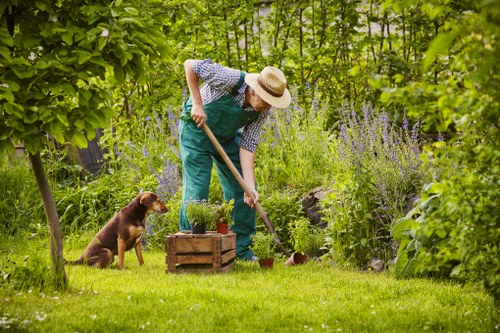
A good drainage solution is designed around the way your garden actually behaves. There is no single answer that suits every site. Instead, the right plan may involve one or more of the following: redirecting surface water, helping excess water soak into the ground more effectively, reducing compaction, or installing channels that collect runoff before it becomes a problem.
For some gardens, a simple improvement such as improving falls, lifting and re-laying paving, or creating a gravel border around problem areas can improve water movement. In more persistent cases, a French drain, soakaway, land drain, or channel drain may be more suitable. These systems are often used to intercept water and carry it away from lawns, paths, and patios before it builds up.
In Sutton, a practical drainage design often needs to consider neighbour boundaries, existing trees, underground services, and the amount of available space. That is especially important in tighter residential plots, where there may be limited access to the rear garden and careful planning is needed to keep disruption down. A local team with experience of similar properties can recommend solutions that suit the site rather than forcing in a system that is too large, too small, or difficult to maintain.
What is included in a professional garden drainage service?
A professional service should begin with a proper assessment of the garden and the way water behaves during and after rainfall. This may involve looking at the soil type, levels, existing hard landscaping, boundary lines, downpipe positions, and any areas where water is entering or trapped. For many customers, this initial review is the most important stage because it determines the most suitable fix.
Depending on the layout, the service may include digging test holes, checking the depth of existing soil layers, identifying compacted zones, and deciding whether water should be absorbed, redirected, or collected. From there, a plan can be built around the garden’s needs. The work may involve excavation, removal of spoil, installation of drainage pipework or channels, replacement of topsoil, and reinstatement of turf, planting beds, or paving.
For customers who want a cleaner, more usable finish, drainage improvements can also be combined with landscaping work. This might include resetting paving, improving edging, adding decorative gravel, or reshaping a lawn so the final result looks neat as well as functional. Garden drainage in Sutton is often most effective when it is treated as part of the wider outdoor layout rather than as an isolated repair.
Typical elements of the service may include:
- Site assessment and drainage fault identification
- Advice on the most suitable drainage method for the garden
- Excavation and soil removal where needed
- Installation of land drains, soakaways, or channel drains
- Regrading or levelling to improve water flow
- Improvement of compacted or waterlogged ground
- Reinstatement of turf, topsoil, gravel, or paving
- Clear explanation of maintenance needs after completion
Not every project needs every one of these steps, but it helps to know what may be involved so you can compare services properly and choose a team that works methodically.
Common drainage methods used in Sutton gardens
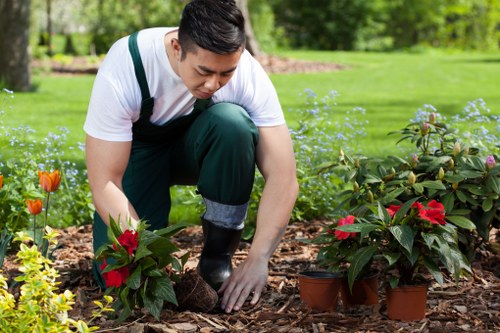
French drains are often used where water needs to be intercepted and moved away from a specific area. These consist of a gravel-filled trench containing perforated pipe, allowing water to enter and drain to a more suitable location. They can be a good choice for lawn edges, side returns, or borders where excess water tends to collect.
Soakaways are designed to let water disperse into the ground gradually. They are often used in conjunction with downpipes or drainage channels and can be helpful where there is space and soil conditions support infiltration. A soakaway needs to be planned correctly, because the ground needs to accept the water at a sensible rate. On heavier soils, a soakaway alone may not solve the issue, so other measures might be needed alongside it.
Channel drains are useful for hard surfaces such as patios, driveways, side access routes, and paved entertaining spaces. They collect runoff before it spreads across the garden or toward the house. In many Sutton properties, this type of drainage is valuable where existing paving falls the wrong way or where there is a threshold issue near doors or steps.
Regrading and levelling is another important tool. If the garden surface slopes toward the house or has low points that trap water, adjusting the levels can improve movement without introducing a large drainage system. This is often especially relevant in smaller gardens where space is at a premium and every centimetre of fall matters.
Choosing the right method
There is no substitute for a site visit and proper planning. The best system is the one that suits your soil, garden size, budget, and usage. Some sites benefit from a single intervention; others need a combination of measures to deliver a lasting improvement.
Garden drainage for different property types in Sutton
Sutton has a broad mix of homes and outdoor spaces, and that variety affects the type of drainage work required. A family home with a large rear lawn may need a different approach from a Victorian terrace, a maisonette with a small courtyard, or a commercial property with staff parking and landscaped frontage. Local experience matters because similar-looking problems can behave very differently from one plot to the next.
For older homes, drainage issues may be linked to historic landscaping, uneven levels, or patio additions that have altered water flow over time. In newer properties, compacted ground, poor builder’s falls, or inadequate soakaway capacity may be the cause. Rental properties often need durable, low-maintenance solutions that reduce future callouts, while business premises may need drainage improvements that keep access routes safe and presentable for customers or employees.
In places like Cheam, Belmont, Carshalton, Wallington, and Worcester Park, access can also be a major part of the job. Narrow side gates, limited rear access, and parking restrictions can all influence how materials are brought in and out. A local team used to working in residential streets understands how to plan around these practical issues and keep disruption manageable.
Why a local Sutton company can be the better choice

Choosing a local team for garden drainage in Sutton brings a few clear advantages. First, a local company is more likely to understand the common soil conditions, property layouts, and access limitations that affect drainage work across the area. That means recommendations are often more realistic and tailored to the kind of gardens found nearby.
Second, local teams tend to be better prepared for the day-to-day practicalities of working in Sutton streets. Parking can be tight, rear access may be limited, and many gardens require hand transport of materials through narrow side returns. A team that works locally will usually plan for these issues from the start rather than treating them as an unexpected complication.
Third, local service is often more responsive when customers need clear communication, site visits, or follow-up advice after the work is complete. That matters because drainage problems rarely have a one-size-fits-all answer. Being able to speak to someone who understands the local area makes it easier to get a suitable solution and make informed decisions about what to do next.
Customers also benefit from practical advice about maintenance, seasonal checks, and how to protect the drainage system once it is installed. That may include simple steps such as keeping channels clear of debris, avoiding heavy compaction in vulnerable areas, and checking that downpipes are not overflowing during storms.
What local knowledge can help with
- Understanding typical soil and runoff conditions
- Planning around tight access and parking limits
- Choosing materials suitable for the garden size and use
- Reducing disruption to neighbours and shared spaces
- Matching drainage methods to Sutton’s varied property layouts
How to prepare for a drainage visit
Preparation does not need to be complicated, but a few simple steps can help the visit go smoothly. If you already know where the worst pooling happens, it is useful to note it before the team arrives. Think about whether the problem appears after heavy rain, light rain, or both, and whether it affects one section of the garden or several areas.
It also helps to clear access routes where possible. Move away garden furniture, plant pots, bins, tools, and other obstacles from the work area. If there are fragile plants, ornaments, or boundary items you want to protect, point them out during the initial discussion. For homes with limited access, letting the team know about gate widths, steps, or parking restrictions in advance can save time on the day.
Many customers also find it useful to think about the end result they want. For example, do you need the area ready for family use, future planting, a new patio, or just a drier lawn? Clear goals make it easier to recommend the right approach and avoid unnecessary work.
Simple preparation checklist
- Identify the wettest areas of the garden
- Clear access to the work area where possible
- Move valuables, pots, and lightweight furniture out of the way
- Note any nearby services, manholes, or drainage covers
- Think about how you want to use the space after the work is done
- Mention any access restrictions, parking concerns, or shared boundaries
What affects the cost of drainage work?
Every garden is different, so drainage costs can vary depending on the size of the area, the depth of excavation required, the type of solution needed, and how easy the site is to access. A small, straightforward job may involve simple regrading or a short length of channel drain, while a more complex issue may require deeper excavation, spoil removal, or integration with existing landscaping.
The condition of the ground also matters. If the soil is compacted, heavily clay-based, or layered with old building material, extra work may be needed to improve water movement. Likewise, if existing paving needs lifting and reinstating, or if the drain needs to connect to a suitable outlet, the project will take more planning and labour.
Local access challenges can influence the overall scale of the job too. Properties with tight side access, restricted parking, or difficult rear garden entry often need more manual handling, which affects the time required. Rather than focusing on a generic figure, customers are usually better served by a site-specific quotation that reflects the actual conditions in the garden.
If you are comparing options, ask what is included in the visit, how the drainage proposal has been determined, and whether reinstatement is part of the service. A clear breakdown helps you understand exactly what you are getting and makes it easier to compare like with like.
Residential and commercial drainage support
Garden drainage is not only for private homes. In Sutton, commercial customers may also need drainage improvements for office grounds, retail frontages, communal spaces, hospitality areas, care settings, and managed developments. These spaces need to remain safe, presentable, and easy to maintain, especially when they are used by visitors or staff throughout the week.
For commercial sites, the focus is often on reducing slip risks, improving appearance, and preventing water from collecting in high-traffic areas. Durability and access planning are especially important because work may need to be completed with minimal disruption to daily operations. A good drainage plan can support both practical performance and the professional look of the property.
Residential customers, meanwhile, often want a solution that makes the garden easier to enjoy without constant muddy patches or seasonal disappointment. That might mean reclaiming a lawn for children and pets, protecting planting beds, or making sure a patio remains usable after rain. In both cases, the goal is the same: a drainage system that fits the way the property is actually used.
Areas covered around Sutton
Local drainage services commonly cover Sutton itself as well as surrounding areas where similar property types and soil conditions create familiar problems. This can include Cheam, Carshalton, Wallington, Worcester Park, Belmont, Rose Hill, and nearby parts of Banstead and the wider south-west London area.
Different neighbourhoods can bring different site considerations. Some streets have older gardens with mature planting and established paving, while others have newer layouts with paved patios, driveways, and compact lawns. In many cases, the right drainage solution depends on the balance between hard surfaces and soft landscaping, along with how rainwater is currently being managed on the plot.
If you are not sure whether your property is within the usual service area, the best next step is to enquire and request a visit or quotation. A local team can usually advise whether the job is suitable and what type of access or planning may be required.
Frequently asked questions
How do I know if I need garden drainage or just a bit of levelling?
If water only pools in one minor spot after very heavy rain, simple levelling may be enough. If the same areas stay wet for long periods, or if the ground is soft and saturated much of the year, a drainage solution is more likely to be needed. A site assessment is the best way to tell the difference.
Will drainage work damage my existing garden?
Some disruption is normal, especially where excavation is needed, but a careful team will plan the work to limit unnecessary damage. In many cases, existing turf, paving, and planting can be reinstated neatly once the drainage system is in place.
Can drainage be installed in a small Sutton garden?
Yes. Small gardens often need more thoughtful planning because space is limited, but solutions such as narrow channel drains, localised soakaways, or targeted regrading can still make a big difference. The key is matching the system to the available space.
How long does drainage work take?
Timing depends on the size of the area, the amount of excavation involved, access conditions, and the type of finish required. Some jobs are relatively straightforward, while others take longer because they form part of a wider landscaping project.
Do drainage systems need maintenance?
Most systems benefit from some basic upkeep. Keeping drains clear of leaves, soil, and debris helps them work properly. If your garden has trees or heavy seasonal leaf fall, occasional checking can prevent blockages and reduce the risk of overflow.
Can drainage help protect patios and paths?
Yes. Poor drainage can cause puddling, staining, moss growth, and slippery surfaces on paving. Installing the right system can reduce standing water and help hard landscaping stay in better condition for longer.
What to expect when you request a quote
When you request a quote for drainage work, it should be based on the actual site conditions rather than a broad estimate alone. A proper quotation usually takes account of the size of the garden, the source of the water problem, access to the rear, and any reinstatement needed after the drainage is installed. This gives you a clearer idea of the scope of work and helps avoid surprises later on.
You should also expect practical advice about the most suitable options for your budget and garden layout. A reliable local team will explain the pros and cons of the proposed method, including whether it is best used on its own or as part of a wider landscaping improvement. That way, you can make a decision with confidence.
If your garden is waterlogged, slow to dry, or difficult to use after rain, now is the right time to act. Contact us today to discuss your garden, request a free quote, or book your service now and take the first step toward a drier, more usable outdoor space.
Final thoughts on garden drainage in Sutton
Good drainage does more than remove water. It helps protect the condition of your garden, improves safety, supports healthier planting, and makes outdoor areas more enjoyable throughout the year. In a place like Sutton, where property layouts, access conditions, and soil types can vary widely, the most effective approach is one that is planned around the real conditions on site.
Whether you are struggling with a small patch of standing water or a larger drainage problem affecting your lawn, patio, or boundary areas, a local service can provide practical solutions that fit your property. From French drains and soakaways to channel drains and regrading, the right method depends on the space in front of you. If you want a solution that is tailored, durable, and suitable for Sutton homes and businesses, ask for a site visit and a clear quotation today.
Book your service now to get professional help with garden drainage in Sutton and make your outdoor space work properly again.